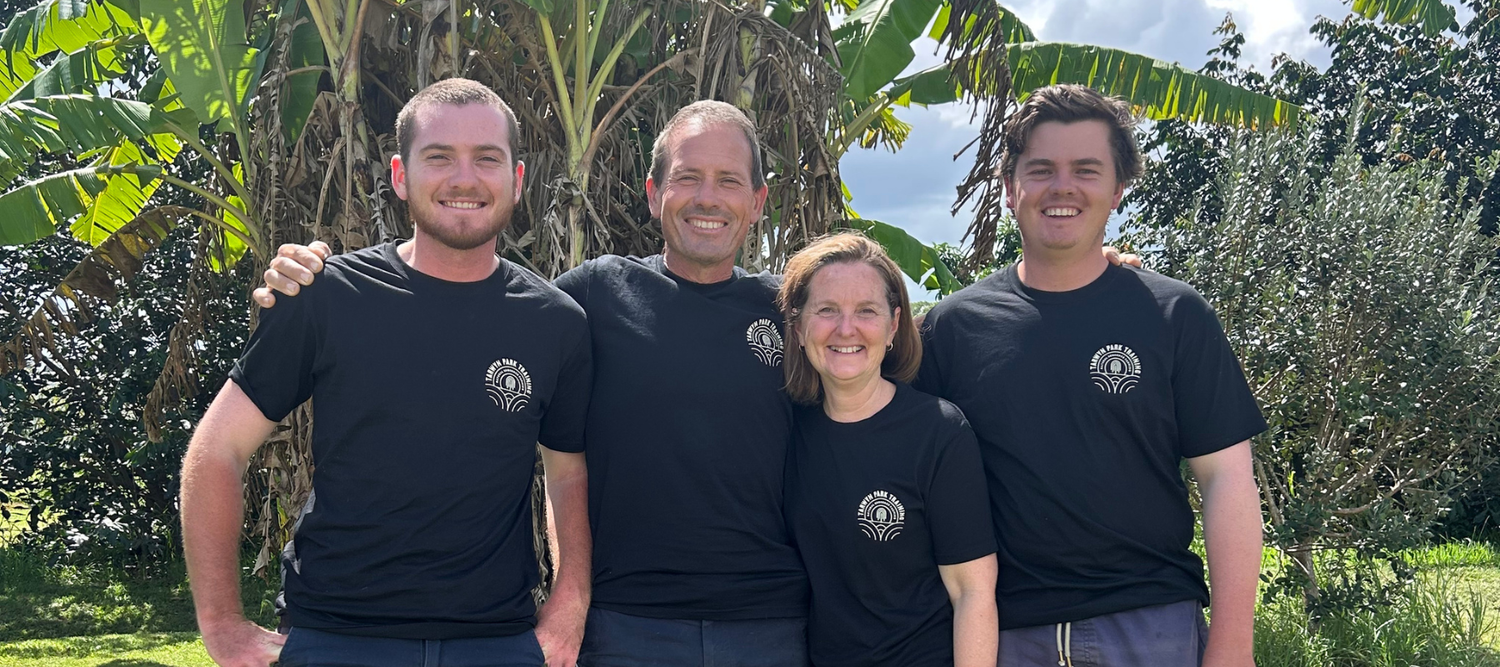
Between screenings of Rehydrating Australia, running Natural Sequence Farming courses and hosting 4 Gourmay farm tours, Autumn has been busy to say the least. A big thank you to our team, who are proving able and willing to pick up extra farm responsibilities when Stuart, Megan, Hamish and Lachie are away or managing off-farm activities. Thank you also to Matt Golinkski and Martin Duncan, who hosted our farm tours during the food festival.
Chickens
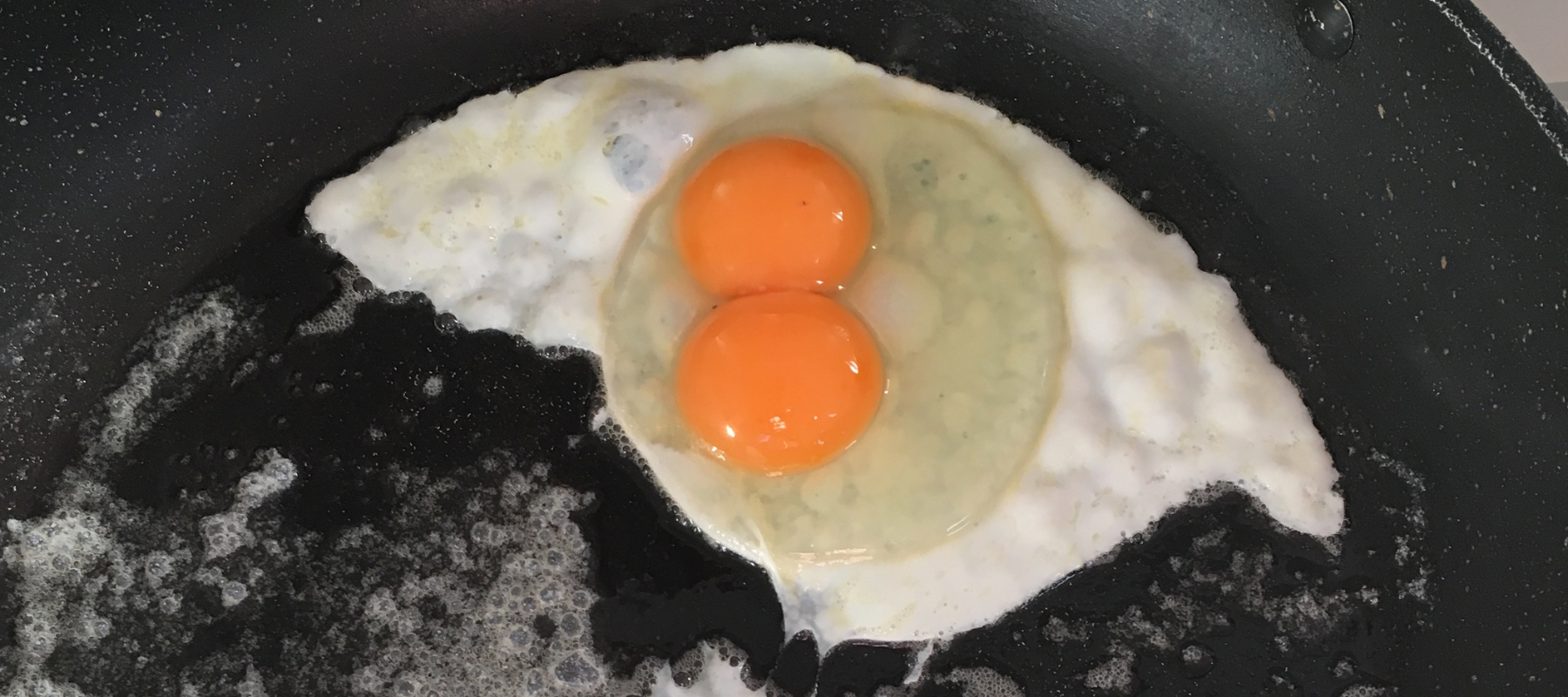
Our laying hens are thriving, with production higher than it has been in many years. Avian flu has dissipated, and the fear of running out of eggs has subsided. This is the first time since COVID that we have had a surplus of eggs. Over the coming months, we will be exploring new markets for our eggs as we work to grow this part of the business.
A new micro poultry abattoir is currently under construction. Renovations to a second-hand facility are currently in progress, with the concrete slab and roof complete. Having an on-farm processing facility will eliminate transport stress for the birds, avoiding the fear, injury and mortality associated with live transport. This calmer environment reduces cortisol and improves meat quality – something we are passionate about at Forage Farms.

Cattle
Early this year, we decided to reduce our herd to fine-tune our genetics for a grass-fed cattle operation in our climate. From a farm management perspective, this has allowed the team more time to focus on other projects, including renovating the abattoir.
Pigs
Having recently lost our boar, Felix, we are searching for a new one. Finding a quality purebred Berkshire is proving a challenge. We will let you know when we do!
Cover crops
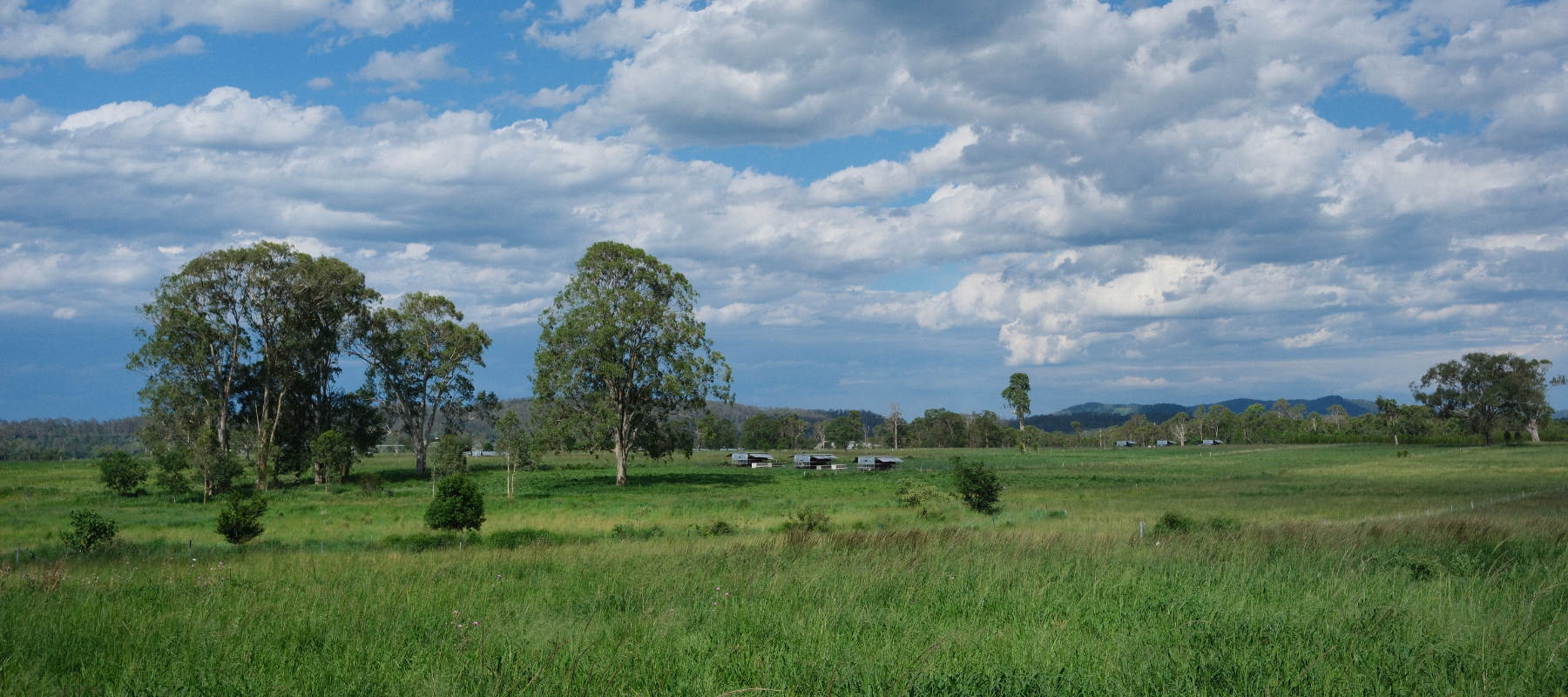
Lachie has been busy sowing cover crops so that we have plenty of vegetation for winter. With half a tonne of seed already planted and less cattle grazing, we hope to be able to crimp the remaining cover crop and sow it back in with a summer crop. This strategy is part of an attempt to outcompete or eliminate the pesky rat's tail. This plant is not very nutritious, grows rapidly, and is harder to remove from the system than other lower-order plants. We are also trialling other methods of removal, such as analysing the soil’s bacterial/fungal ratio. Rat’s tail prefers a bacterial environment, so we are trying to increase the fungal balance by applying specialised compost and spraying fungal-dominated microbial blends onto the leaves.