Regenerative farming is a long-term commitment. You can’t expect instant change in your landscape, and there are no quick fixes. If you are prepared to knuckle down, your landscape will begin to transform over time. Consistent dedication to improving farm ecosystems does ultimately deliver. It is 10 years since we arrived at Forage Farms, and it is incredibly rewarding to see how far we have come.
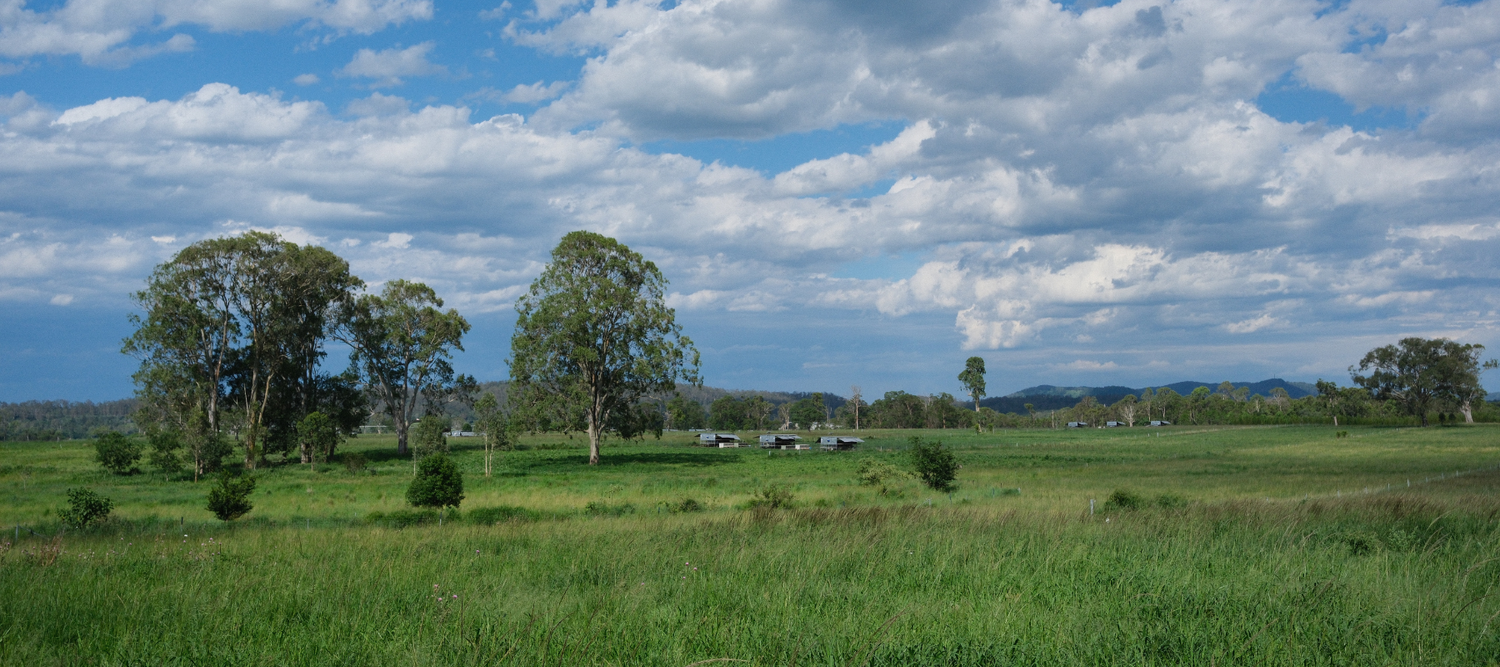
When people start asking, ‘Why is your farm so green compared to others around here?’ you know you are doing something right.
Water management has been a fundamental aspect of improving our farm’s ability to retain water during rain so we can handle drier times. In our first two years at the farm, we would get 30 ml of rain, and it would run straight off the top – nothing was infiltrating. Having more water in the system also allows for more feed and biodiversity. It took us 5 years to notice these changes. This summer, we had a slow buildup of rain and didn’t see any water entering the contours until we had over 150 mm of rain.

At the lowest part of our farm, we have built a dam that collects water from the higher area where the chickens are. Even during last year’s dry winter, spring and early summer, it remained only a couple of feet off the high-water mark, and then it took nearly the entire summer of rain to refill it completely again. Because the water is being absorbed into the landscape, it tends not to overflow and takes longer to fill.
Changing how we manage water and how we farm also creates the right environment for biodiversity to return – and we are actively introducing it. In the beginning, Forage Farms consisted almost entirely of Bahia and Seteria grass. Now there are nearly 40 different plant species, including grasses, herbs and legumes, many of which have arrived on their own accord. These include thistles, dock and purple top. We are also bringing in more trees in the lower country to provide shade for livestock and homes for wildlife.
Our grazing management strategy means there is always an area of the farm being rested, so there is plenty of grass for the animals. Originally, we used to see cane toads everywhere at night. Now there are far fewer, possibly because predators are eating them. We used to have more brown snakes than red bellies, but that has reversed because brown snakes prefer drier landscapes. There are also a lot more pythons around. Little birds are plentiful now, thanks to the trees and cattle egrets are foraging in the grass and wetter areas. The bandicoots have also moved in – originally a rare sight.
There are so many benefits from the increased biodiversity. More green surface area ensures we better manage solar energy, resulting in greater biomass for our animals to feed on. It also increases soil carbon and manages the heat through photosynthesis, which cools the environment. The introduction of plants, aside from grasses, also changes the flavour of our food, giving it that unique, tasty Forage Farms flavour our clients have come to expect.
A well-maintained regenerative farm pays off in the end. Not only does it look prettier, but it also provides an environment that produces more relaxed, healthier animals, better able to get through drier times when they come.